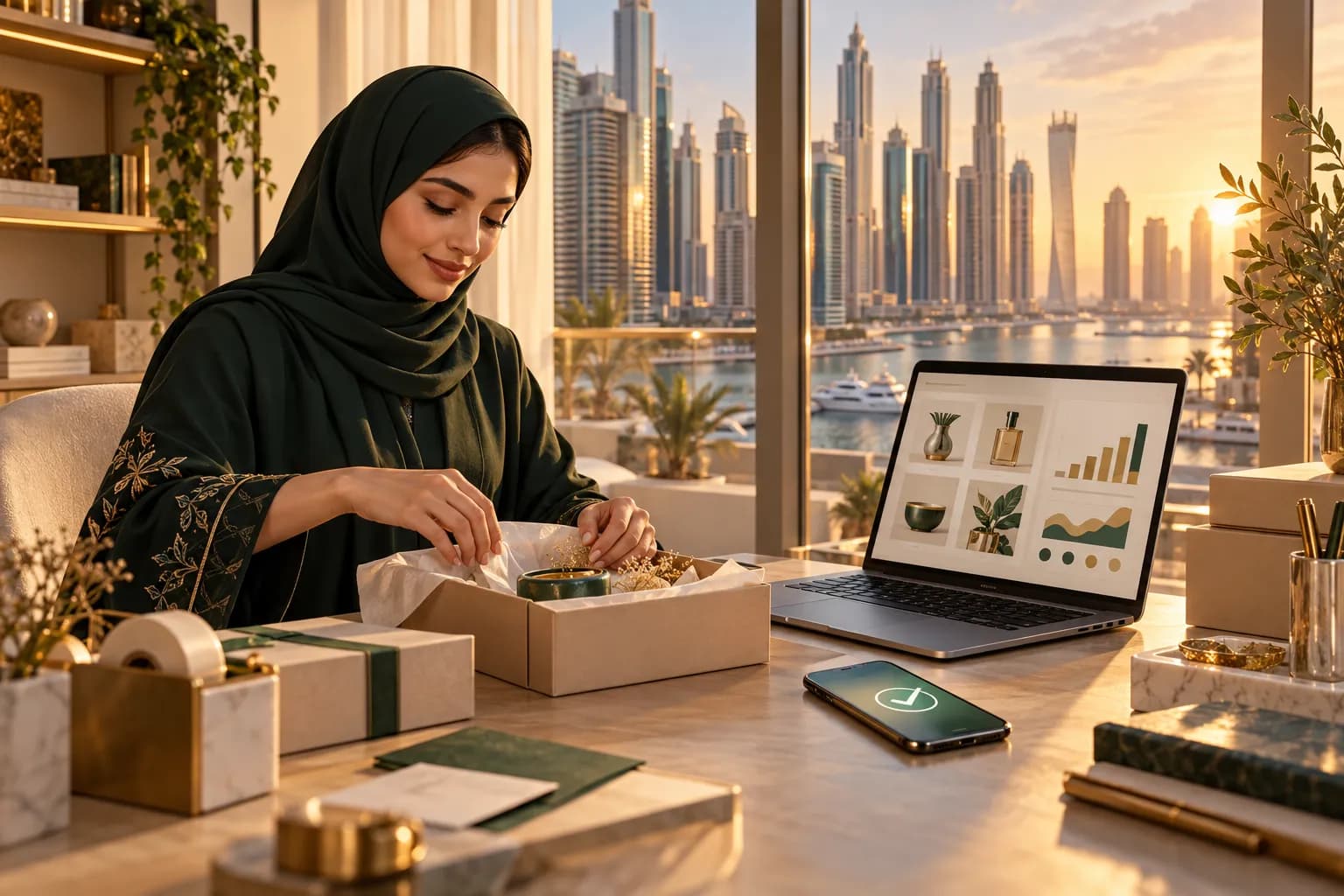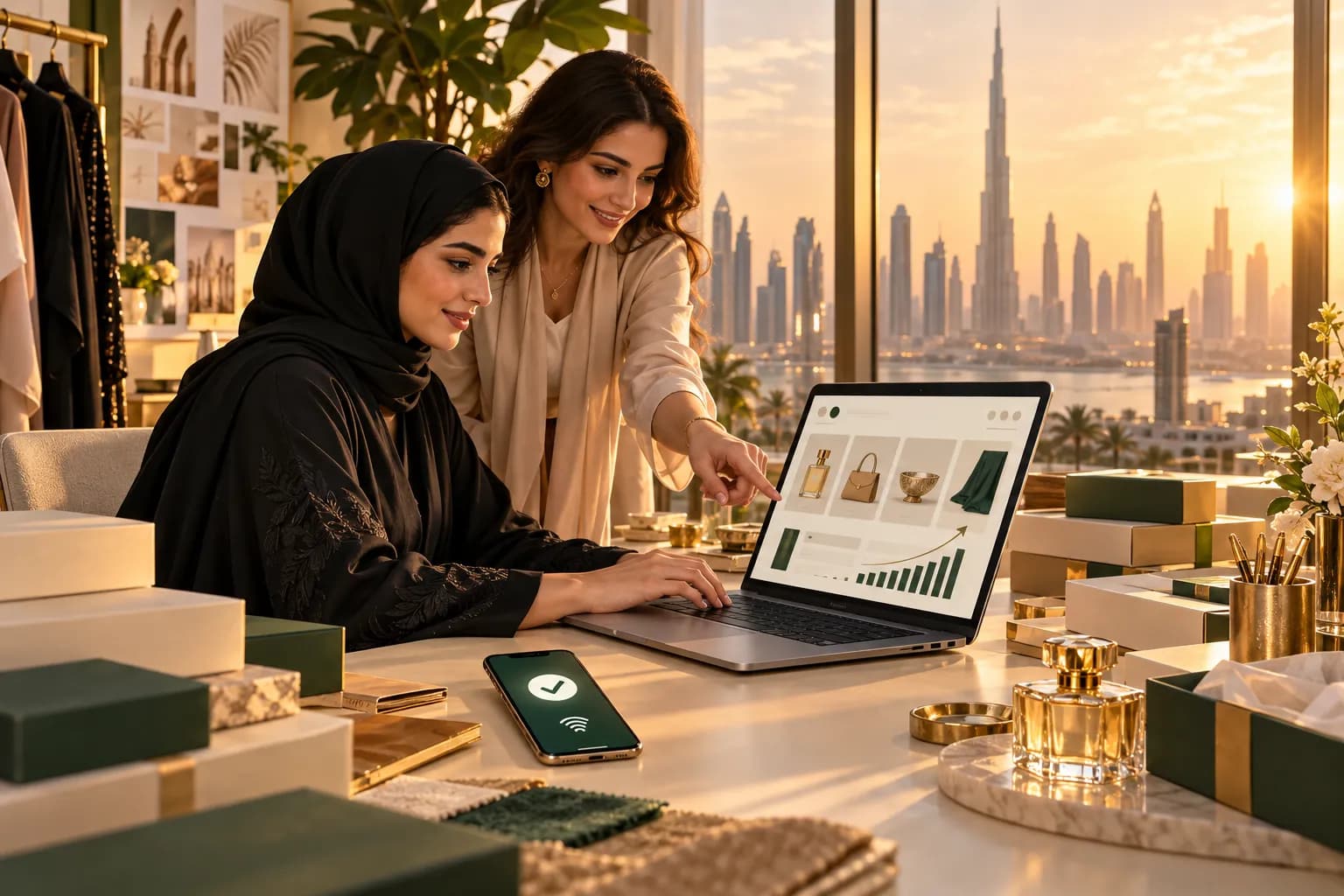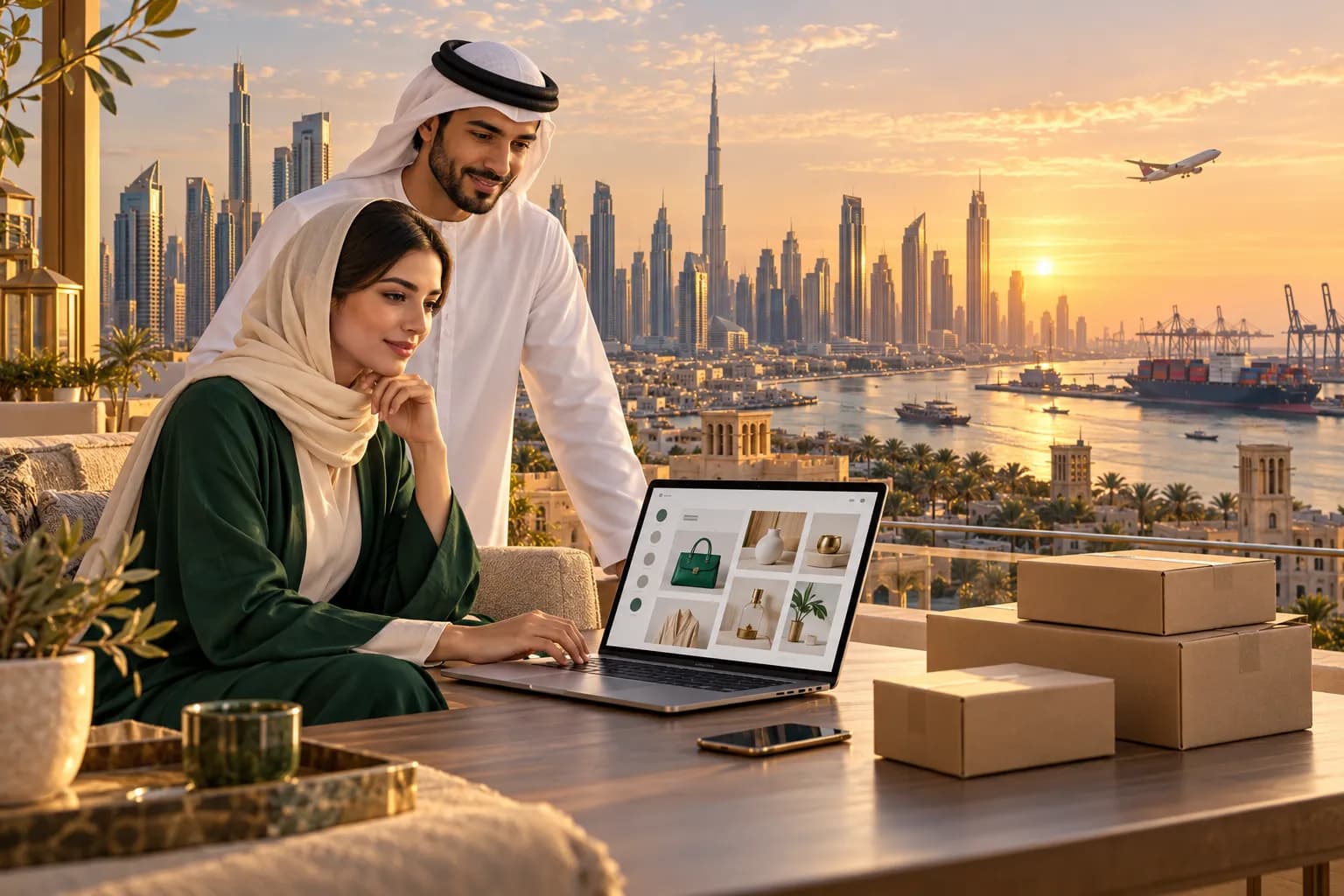

- Dubai costs more than Sharjah or Ras Al Khaimah, but it gives you the GCC's busiest logistics hub, a Dubai address and the biggest seller ecosystem.
- The Dubai eTrader licence costs about AED 1,370 a year, but selling physical goods on it is for UAE and GCC nationals only.
- Most foreign and expat sellers use a Dubai free zone: Meydan is about AED 20,750 in year one with one visa. DMCC and Dubai CommerCity cost more but add prestige or warehouses.
- From Dubai, DDP parcels reach Saudi shoppers in 2–5 days. The courier pays Saudi import VAT at the border, so you usually don't need Saudi VAT registration.
- Since August 2026, Dubai Customs waives duty on parcels up to AED 1,000 and lets ecommerce returns come back duty-free within 60 days.
Dubai is where most Gulf ecommerce businesses set up. Amazon, noon and the big couriers run their regional warehouses here, and almost half of Dubai Chamber members' exports and re-exports go to other Gulf states.
For you, that means one base covers two jobs. You sell to Dubai's wealthy, English-speaking shoppers next day, and you ship the same stock to Riyadh in a few days.
This page covers the Dubai-specific choices: why Dubai over the other emirates, which Dubai licence fits, how to reach the rest of the GCC and what Dubai shoppers expect. For the full UAE setup, see how to sell online in the UAE.
Why sell from Dubai?
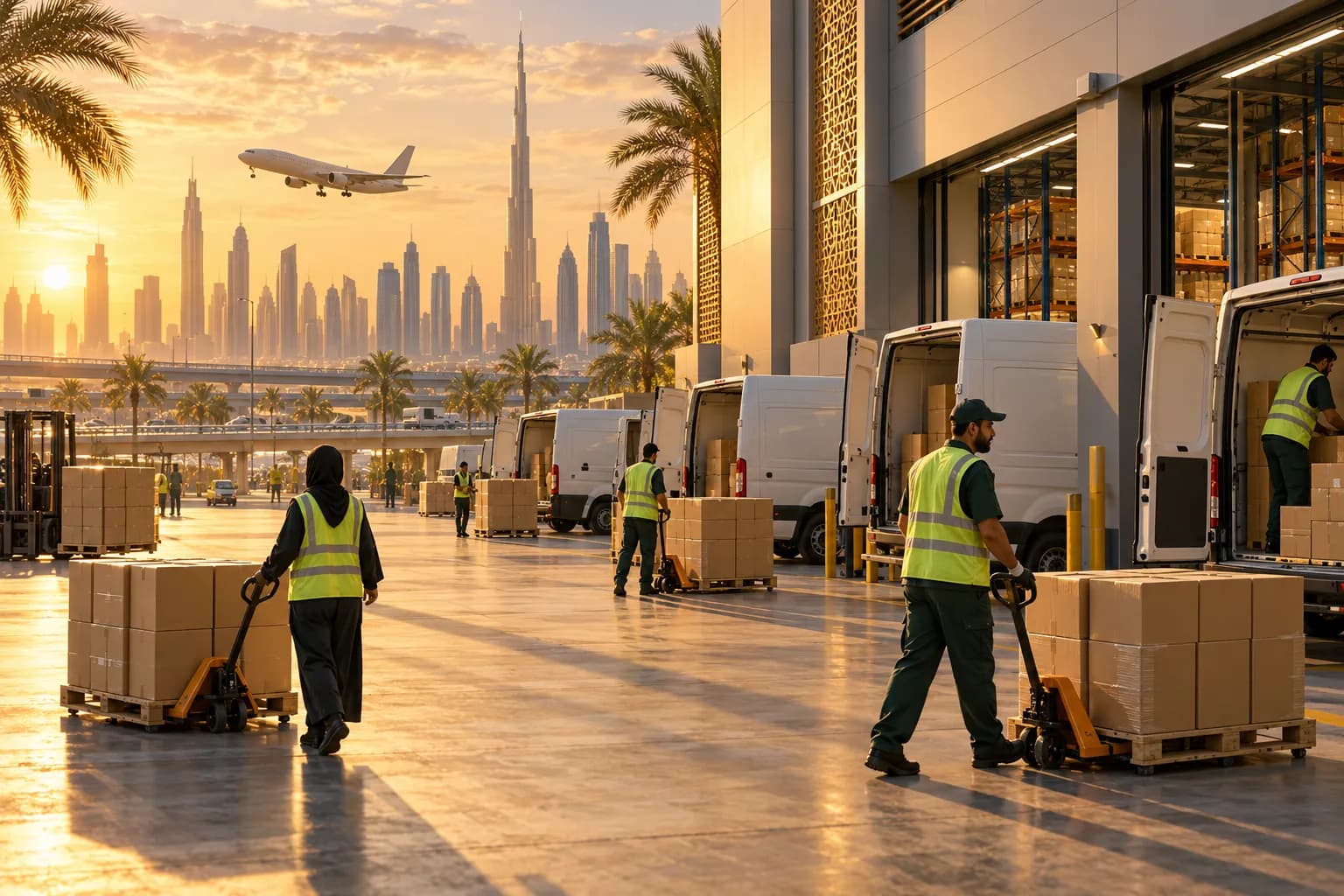
Dubai is built for trade. It has Jebel Ali Port, two airports and a ring of free zones with bonded warehouses.
Here's what that gives an online seller:
- Shoppers on your doorstep. Dubai, Sharjah and Abu Dhabi hold most UAE buyers, and one Dubai warehouse delivers to all three next day.
- A GCC stock pool. Goods sit duty-suspended in a free zone. You pay UAE duty only on what you sell in the UAE, and ship the rest onward.
- The ecosystem. Amazon, noon, DHL, Aramex and Chinese logistics firms all run fulfilment from Dubai South and EZDubai, its ecommerce logistics zone.
- Cheaper small parcels. Since August 2026, Dubai Customs waives duty on parcels up to AED 1,000. Ecommerce returns come back duty-free within 60 days.
The momentum is real. Dubai CommerCity, the ecommerce free zone by the airport, was 96% full in the first half of 2026.
Dubai vs the other emirates: where should your company sit?
Any UAE licence can sell online to the whole country. So the emirate you pick is about cost, stock and image.
| Dubai | Abu Dhabi | Sharjah, Ajman, RAK | |
|---|---|---|---|
| Home-based licence | eTrader, AED 1,370 a year (nationals only for goods) | Tajer Abu Dhabi, from AED 790 (residents too) | Varies; RAK has a virtual trader licence |
| Cheapest free zone ecommerce licence | Meydan, AED 12,500 | SPC and Shams AED 5,750; RAKEZ AED 6,000 with a visa | |
| Warehouses and 3PLs | The most: Jebel Ali, Dubai South, CommerCity | Fewer; many sellers use a Dubai 3PL | Some; most sellers use a Dubai 3PL |
| Address and banking | Strongest brand and widest bank choice | Strong | Fine for marketplaces |
| Discount permits | DET | Abu Dhabi DED | Each emirate or zone |
So what should you do? Start in Dubai if you want your own warehouse, a Dubai address on your store, or a base for GCC shipping. Pick a Sharjah or RAK free zone if the budget is tight and a 3PL holds your stock anyway.
Want every zone compared side by side? See our UAE free zones for ecommerce guide.
Which Dubai licence fits an online store?
You have three Dubai routes. Your nationality and your stock decide which one fits.
- eTrader (DET). A home-based sole establishment licence for about AED 1,370 a year. It needs Dubai residence and an Emirates ID. Selling physical goods on it is for UAE and GCC nationals only. Expats can use it for services.
- A Dubai free zone. The usual route for expats and foreign founders. At Meydan, the cheapest Dubai option, year one with one visa totals AED 20,750.
- A mainland DET licence. Needed for a shop, a showroom or direct B2B supply. It usually needs an office lease.
Which zone? DMCC suits larger teams that want a premium address, at about AED 20,000–50,000 a year. Dubai CommerCity suits sellers who want offices and fulfilment in one place, from about AED 22,000 with two visas.
Most free zone ecommerce licences allow online delivery to UAE customers. Get your zone's written confirmation before you sign.
The full licence rules, costs and TDRA permit are in our UAE ecommerce licence guide. Want help with the paperwork? Compare UAE company formation agents.
How do you serve the rest of the Gulf from Dubai?
Ship from Dubai first, then add local stock where demand grows. That's our verdict for most sellers.
Source: Dubai Chamber via Khaleej Times, January–September 2025
Saudi Arabia is the big prize, and it's a short drive away. Courier parcels from Dubai reach Saudi shoppers in 2–5 days.
Ship them DDP (Delivered Duty Paid). The courier clears each parcel and collects Saudi import VAT at the border. So parcel sales alone usually don't require Saudi VAT registration.
For example, a Dubai skincare brand can test Riyadh with Instagram ads and DDP parcels. No Saudi company, no Saudi warehouse. Once Saudi orders reach about 30% of sales, it's time to truck stock to a Riyadh 3PL.
That step changes the tax picture. Holding stock in Saudi Arabia means registering for Saudi VAT as a non-resident: there's no threshold, and you have 30 days to register.
Costs, couriers and the border are in our guide to shipping from Dubai to Saudi Arabia.
What do Dubai shoppers expect?
Dubai shoppers are mostly expats, mostly English-first and used to next-day delivery. They pay by card or Apple Pay, and they expect easy returns.
Arabic still matters for Emirati buyers. On self-service screens in Dubai malls, about 80% of Emiratis pick Arabic, while non-Arab residents pick English almost every time.
So launch in English, then add Arabic as you grow beyond Dubai, or from day one if your buyers are Emirati.
The other big Dubai habit? Sales. The winter season stacks UAE National Day and the Dubai Shopping Festival (DSF) back to back.
- 2 Dec 2026UAE National Day
The 55th, with national-colour campaigns across the UAE.
- 4 Dec 2026 – 17 Jan 2027Dubai Shopping Festival
45 days of city-wide deals. Online stores join with their own dated DSF offers.
- Jul–AugDubai Summer Surprises
DSF's summer counterpart. The 2026 edition ran from 2 July to 30 August.
Dubai-licensed stores need a DET permit before they advertise a discount, coupon codes included. Apply two weeks ahead. Dates, permit fees and promo ideas are in our National Day and DSF guide, and the full market numbers are in UAE ecommerce statistics.
Notes for sellers outside the UAE
- You don't need a Dubai company to start. Amazon Global Selling takes international sellers, with a forwarder acting as importer of record. Noon accepts foreign companies with a UAE VAT certificate.
- Set up in Dubai when you want your own store. A free zone licence gives you a UAE payment gateway, VAT number and bank account.
- Plan one or two trips. Visa medicals and bank meetings happen in person.
Notes for Chinese sellers
- Dubai is where Chinese logistics firms already are. Firms such as Yunda run fulfilment in Dubai South, and Dragon Mart is the largest Chinese trading hub outside China. See Dragon Mart Dubai for sellers.
- Use Dubai for the whole Gulf. Ship sea freight into Jebel Ali, hold it duty-suspended, and send DDP parcels to Saudi Arabia from the same stock.
Frequently asked questions
Dubai, for most sellers. It has more 3PLs, couriers and marketplace warehouses, and it's the GCC's re-export hub. Abu Dhabi wins on one thing: its Tajer licence starts at AED 790 and is open to UAE residents. Pick it if you live there and sell small volumes at home.
Sources & further reading
- Request to issue a trade licence (eTrader) — Invest in Dubai (Dubai DET)
- Dubai's population tops 4.580 million by the end of 2025 — Digital Dubai
- GCC markets anchor Dubai's 2025 trade boom — Khaleej Times / Dubai Chamber
- Dubai CommerCity — Dubai CommerCity
- How to start an e-commerce business in Dubai — Meydan Free Zone
- Tajer Abu Dhabi licence — Abu Dhabi Registration Authority
- Dubai Shopping Festival — Visit Dubai
This guide is for general information only and is not legal, tax or financial advice. Rules and fees change — always confirm with the official source or a licensed advisor.

Maya is MiddleEastEcom's lead guide and editor. She researches GCC marketplaces, payments and regulations and turns them into practical playbooks for sellers.
Meet Maya